
Umbilical Hernia: That Small Bulge Near Your Navel — Should You Worry?
Have you ever noticed a small swelling near your belly button while coughing or exercising?
Does your stomach feel weak or uncomfortable during workouts or lifting?
What Is an Umbilical Hernia?
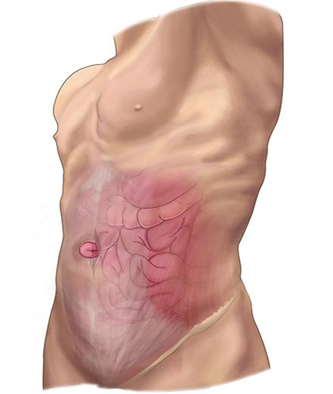
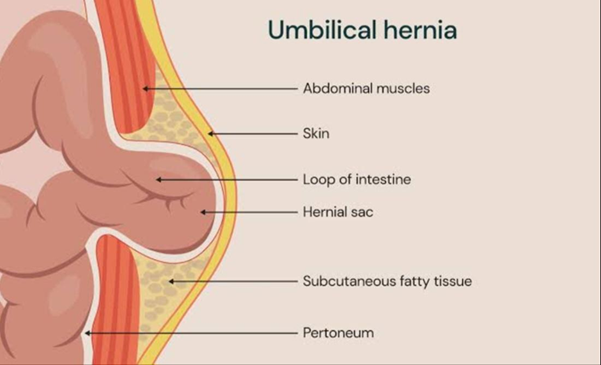
An umbilical hernia happens when a part of the intestine or abdominal tissue pushes through a weak spot in the abdominal muscles near the belly button (navel).
You may notice:
- A soft bulge near the navel
- Swelling while coughing, laughing, or straining
- Mild discomfort or heaviness (more common in adults)
- In babies, it often heals naturally.
Why Does an Umbilical Hernia Happen?
The main reason is increased pressure inside the abdomen combined with muscle weakness.
Common Causes include:
- Weak abdominal wall (since birth or acquired)
- Obesity
- Multiple pregnancies
- Chronic coughing
- Heavy lifting or improper gym technique
- Fluid accumulation in abdomen
- Previous abdominal surgery
But most adult cases are not just “a hole” — they are also load-management problems which include-
- Poor core activation
- Weak transverse abdominis
- Excess intra-abdominal pressure
Recent biomechanical studies show abdominal wall stability and pressure control play a major role in hernia formation and recovery
Daily Precautions:
✔ Avoid sudden heavy lifting
✔ Exhale during effort (never hold breath)
✔ Manage constipation
✔ Maintain healthy body weight
✔ Support abdomen while coughing
TREATMENT:
Treatment of an umbilical hernia usually begins with conservative management, especially when the swelling is small and symptoms are mild. The goal at this stage is not to close the hernia defect, but to reduce strain on the abdominal wall and prevent the condition from progressing. Many people can continue their daily activities safely once they learn how to manage abdominal pressure and movement patterns better.
Conservative care mainly focuses on lifestyle and physiotherapy-based strategies, such as:
- Avoiding heavy lifting or straining activities
- Managing body weight and preventing constipation
- Using proper breathing techniques instead of holding breath during effort
- Improving posture and movement control in daily tasks
From a physiotherapy perspective, rehabilitation emphasizes deep core coordination rather than intense abdominal strengthening. Training usually includes diaphragmatic breathing, gentle activation of the transverse abdominis, and gradual functional strengthening. High-pressure exercises like sit-ups, aggressive core workouts, or heavy lifting are generally avoided initially, as they increase intra-abdominal pressure and may worsen symptoms.
If the hernia enlarges, becomes painful, or starts affecting daily function, surgical repair may be advised. The procedure involves returning the protruding tissue back into the abdomen and reinforcing the weakened area, sometimes with a surgical mesh for added support. Surgery addresses the structural problem, while post-operative rehabilitation helps restore muscle control, safe movement, and reduces the chances of recurrence.
FINAL THOUGHTS:
A guided rehabilitation plays a key role in preventing hernia-related complications. If you’re experiencing symptoms or unsure about safe exercises, consulting a physiotherapist can make all the difference. At Stellar Physiotherapy, we provide structured assessment and customized rehabilitation programs designed to support safe recovery and long-term core health.