
Hamstring Injuries: More Than Just a Muscle Pull!
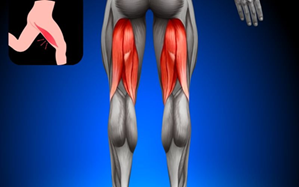
Ever felt a sudden pull at the back of your thigh and wondered, “Is this serious or will it settle on its own?”
Hamstring injuries usually strike without any warning and are easy to ignore-until they keep coming back. What seems to be a minor strain can quickly turn into a recurring problem if not addressed properly.
What is a hamstring injury?
The hamstrings are 2 joint muscle crossing both hip and knee joint which makes them extremely important for activities like running, sprinting, jumping, kicking and dancing- but also makes them vulnerable to injury.
Because they work hard during high-speed and high-load movements, hamstring injuries are especially common in athletes, runners and field sport players.
Mechanism of Hamstring injury:
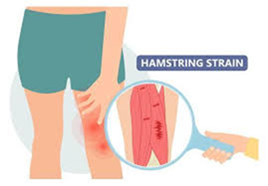
Hamstring injures usually occur in 2 ways:
- Stretch type-injuries happen when the hamstring is excessively lengthened, typically with the hip flexion and knee extension. This is commonly seen in activities like dancing or kicking.
- Strength type-injuries occur due to high eccentric loading, most often during the late swing phase of running or sprinting, when hamstrings work hard to control the moving leg.
Clinical presentation:
A person with hamstring injury presents with:
- Sudden sharp posterior thigh pain
- Antalgic gait (limp to avoid pain)
- Reduced hip extension and knee flexion
- Weakness of hamstring muscles
- Local tenderness on palpation
- Pain during functional tests like “taking off the shoes test”.
Classification of Hamstring injuries:

These injuries are commonly graded using systems such as the BAMIC Classification, which helps guide treatment and expected recovery timelines based on injury severity.
Management of hamstring injuries:
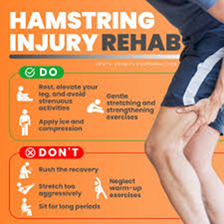
ACUTE PHASE:
The goal of the early stage is pain control and protection.
- Relative rest and activity modification
- Ice application
- Early isometric exercises
- Gentle activation of posterior chain
For partial tears, loading is progressed cautiously.
REHABILITATION PHASE:
Once pain reduces, structured rehab is crucial to prevent recurrence.
The key components should include:
- Progressive loading exercises
- Eccentric-focused exercises like Nordic curls (for proximal injuries) and deadlifts (for distal injuries) should be prioritised.
- Gradual return to running and sport specific drills
FINAL TAKEAWAY:
Hamstring injuries are more than “just a muscle pull”. Their two joint nature, high load demands, and poor rehab practices make them prone to recurrences. Early diagnosis, understanding the type of injury and well-planned rehabilitation program is a key to safe and lasting return to activity.
If your hamstring injury isn’t settling or keep coming back, it may need more than rest. Visit our clinic for a structured assessment and personalised rehabilitation plan.